hoofhub
From fragmented horse-riding services to a trust-first tourism platform. A service ecosystem that turns unreliable promises, hidden pricing and unsafe matching into a verified, memorable equestrian experience.
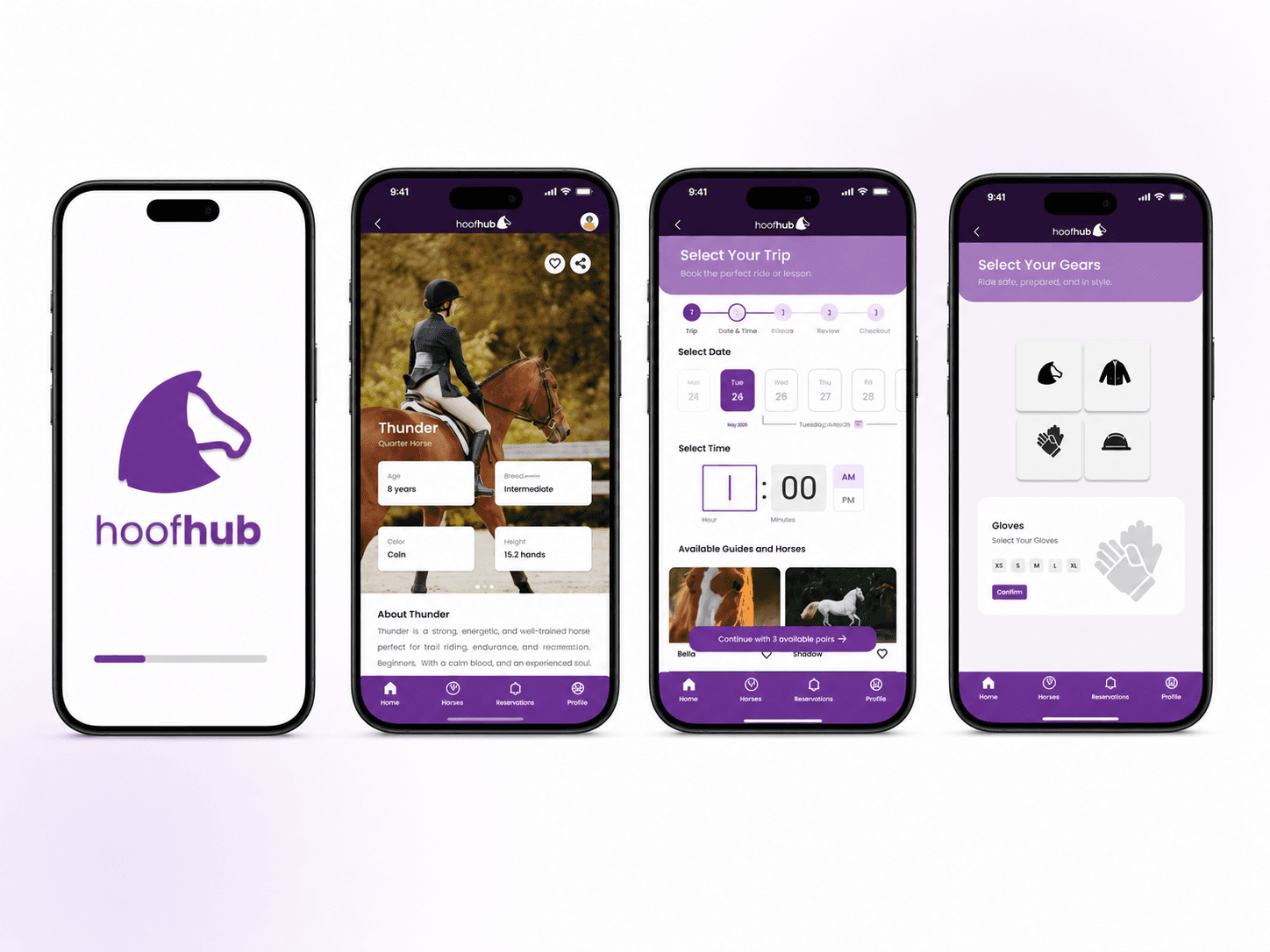
Starting with reviews, not an app idea.
The project began by studying negative rider experiences. Recurring complaints about guides crowding tourists, prices changing after agreement, and guides ignoring rider skill were strengthened through field interviews with guides and observation of the operating structure between horse owners, guides, riders and the Turf Club.
Core Contribution
The service-system concept was collaboratively developed with Warana Athuluwage, a Service System Designer from Politecnico di Milano. The digital platform architecture and full implementation were designed and developed by Pasan Athuluwage.
Evidence Sources Used in the Design
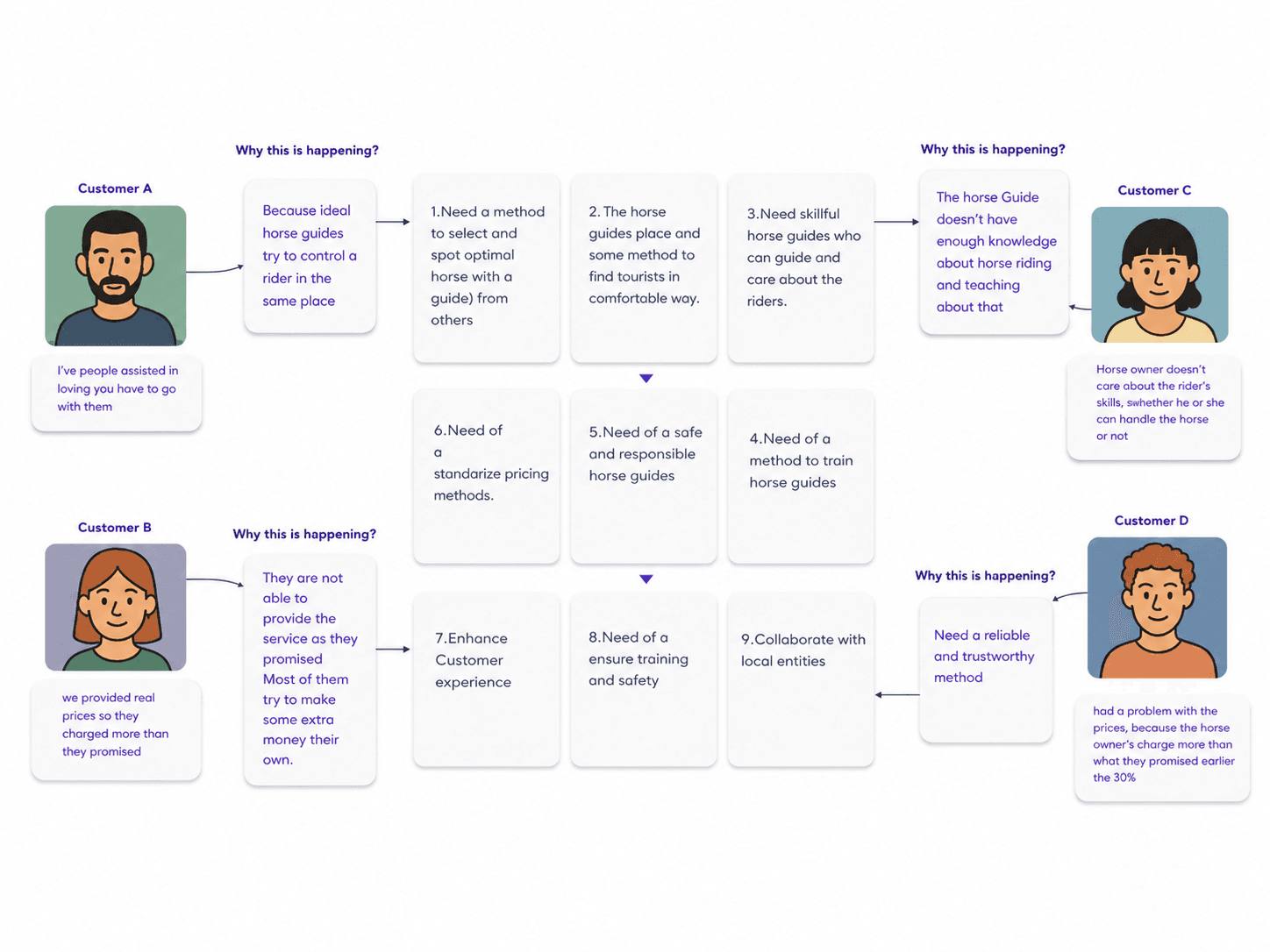
Field-insight framing: guide-side interviews were used to move beyond the surface of negative customer reviews.
| Area | Collaborative | Individual |
|---|---|---|
| Problem discovery | Service ecosystem research, field insight and concept framing | Translation of insights into platform requirements |
| Service design | Stakeholder model, trust and training structure | Digital journeys, modules, data and workflows |
| Experience design | Brand, rider and guide touchpoints | Application interaction and technical realization |
| Implementation | Collaborative evaluation of service feasibility | Full digital platform architecture and development |
The visible complaints are produced by a deeper system.
A tourist wants a safe, memorable ride, but may face inconsistent offers, changed prices, or a horse and guide that don't match their ability. Guides and horse owners face structural problems too: no stable customer channel, no formal career path, no reliable distribution mechanism. A simple booking app would not be sufficient while informal booking, unstable incentives and weak training reinforce each other.
Reinforcing Loop 01
Informal booking → price uncertainty → disputes → low trust → fewer reliable bookings → guides depend on aggressive solicitation → more informal booking.
Reinforcing Loop 02
Low formal income → incentive to demand extra payment → customer dissatisfaction → damage to reputation → weaker demand → continued low formal income.
Soft Systems — Actor Worldviews
Rider
The service is unpredictable, unsafe, and difficult to trust.
Guide
There is no reliable customer flow or stable professional income.
Horse owner
The horse is an underused asset and income opportunity.
Turf Club
Industry quality and reputation are difficult to control.
Tourism partner
A valuable experience exists, but service reliability is uncertain.
Regulator / public interest
Tourist safety and national reputation may be damaged.
Rich-Picture Tensions
Standardization versus the independence of local guides and owners
Affordable pricing versus fair guide and horse-owner income
Rapid booking versus proper rider-skill and horse suitability checks
Tourism promotion versus animal welfare and carrying capacity
Digital convenience versus accessibility for non-digital actors
Brand consistency versus local cultural authenticity
Seven actors, one shared outcome.
The rider is the primary consumer, experiencing the value and safety outcome directly — and often the direct customer too. But institutional customers include the Royal Turf Club, hotels, tour operators and tourism authorities who adopt or sponsor the system.
01
Tourist / rider
Job to be done
Select and complete a suitable ride
Dominant concern
Trust, safety, hidden cost
Value received
Confidence and memorable experience
02
Guide
Job to be done
Access customers and build a profession
Dominant concern
Unstable income and low credibility
Value received
Bookings, certification and career path
03
Private horse owner
Job to be done
Generate income from horse assets
Dominant concern
Utilization, care and payment
Value received
Rental income and performance visibility
04
Royal Turf Club
Job to be done
Standardize and expand services
Dominant concern
Reputation, quality and control
Value received
Brand value and operational scale
05
Hotel / restaurant
Job to be done
Offer tourism activities
Dominant concern
Reliability of referred service
Value received
Commission and guest value
06
Trainer / veterinarian
Job to be done
Maintain capability and welfare
Dominant concern
Standards and compliance
Value received
Service revenue and professional role
07
Country / tourism sector
Job to be done
Strengthen destination reputation
Dominant concern
Safety incidents and negative reviews
Value received
Sustainable tourism and employment
Jobs to be Done — Rider
Functional — Choose a horse, guide, time, location, and package with a transparent price.
Emotional — Feel safe, reassured, and in control.
Social — Enjoy and share a credible, culturally memorable tourism experience.
Jobs to be Done — Guide
Functional — Receive legitimate bookings, manage schedules, and earn income.
Emotional — Gain professional dignity and confidence.
Social — Be recognized as a trained and trusted equestrian professional.
Booking behaviour under high uncertainty.
Horse-riding tourism is experiential — its quality is known only after the ride. The rider cannot fully evaluate the guide, horse, route, price or safety beforehand, so psychological theory strongly shapes booking and satisfaction.
Behind “Ride with Trust”
Riders aren't only buying access to a horse — they're buying confidence the promised experience will occur safely and fairly. The brand converts the strongest deprivation, distrust, into the primary psychological value: trust.
Attention & salience
Tourists notice aggressive offers, visible horses, price boards and recommendations.
Clear branded signs, verified profiles and simple package information.
Perception
Unstructured bargaining may feel unsafe or dishonest.
Transparent packages, fixed inclusions and visible standards.
Inference error
A confident guide is assumed competent; a higher price is assumed safer.
Show training, certification, reviews and suitability evidence.
Loss aversion
Fear of wasting money, being injured, or losing a holiday day.
Verified price, cancellation rules, support and documented booking.
FOMO
Accepting the first offer because the experience feels temporary.
Enable pre-booking and comparison without false urgency.
Self-worth & competence
Beginners feel embarrassed admitting low ability.
Respectful skill-level selection and beginner packages.
Validation & social proof
Reviews and ratings reassure riders.
Verified post-ride reviews and guide history.
Locus of control
Informal services make the rider feel dependent on the guide.
Control over selection, price, time, equipment, payment and complaint.
Cognitive dissonance
A premium promise followed by poor service damages trust strongly.
Align brand promise, package definition and actual delivery.
Price-quality inference
Expensive rides get connected to quality even when standards are unclear.
Separate price from evidence through transparent quality attributes.
Eight conditions that shape every ride.
Physical
Weather, terrain, route difficulty, horse condition, gear, crowding
Design response
Route information, equipment selection and safety checks
Social
Couples, children, groups, guides, local customs
Design response
Segment-specific packages and appropriate supervision
Psychological
Fear, excitement, skill confidence, language anxiety
Design response
Skill-based onboarding and reassuring guidance
Temporal
Tour schedule, daylight, weather window, horse availability
Design response
Real-time availability and time-bound confirmation
Technological
Connectivity, payment access, QR scanning, device use
Design response
Offline-tolerant verification and multi-channel support
Economic
Package price, tips, hidden charges, commissions
Design response
Fixed inclusions, digital payment and auditable records
Legal / ethical
Animal welfare, insurance, tourist protection, data privacy
Design response
Policies, consent, audits and welfare governance
Safety
Guide competence, horse suitability, emergency support
Design response
Certification, matching, incident reporting and escalation
Context Model
Who: rider, guide, horse owner, Turf Club, tourism partner. Where: Turf Club, beaches, rural routes, attractions, partner hotels and restaurants. When: before the visit, booking time, ride time, post-ride and repeat-trip stage. Why:recreation, photography, honeymoon, learning, children's experience, group travel or adventure. What: horse, guide, route, package, price, gear, skill level and safety status. How: discovery, matching, confirmation, payment, QR verification, ride and feedback.
Context Dynamics
Context can change after booking — weather may make a route unsafe, a horse may become unavailable, a guide may be delayed, a rider may disclose a lower skill level. The system needs explicit state changes, alternatives, notifications, refund rules and safety overrides.
Market Gravity Point
A rider wants a memorable horse-riding experience but cannot confidently trust the promised price, guide capability, horse suitability, or safety outcome within a fragmented, informal service environment.
Primary & Secondary Deprivation
Functional
Cannot compare and book a reliable package
Dependence on aggressive or random on-site selection
Informational
Cannot verify price, inclusions, guide skill or horse suitability
Incorrect expectations and disputes
Psychological
Fear, uncertainty and low confidence
Avoidance, regret or reduced enjoyment
Social
Fear of appearing inexperienced
Unsafe overstatement of ability
Economic
Hidden or changing prices
Financial loss, conflict and distrust
Temporal
Limited holiday time and uncertain availability
Lost tourism opportunity
Safety
Poor matching, untrained guide, unsuitable equipment
Injury, trauma and reputational damage
Service
No formal complaint or accountability mechanism
Repeated poor behaviour and weak learning
Deprivation Hopping
Solution-Bound Deprivation
Platform fees could recreate hidden-cost concerns if not transparent.
Ratings could unfairly harm guides if disputes are not reviewed.
Digital exclusion could disadvantage local guides or owners.
Overbooking could compromise horse welfare.
Reward mechanics could encourage excessive riding if poorly designed.
Centralized power could create dependency on the Turf Club.
Priority
Safety, price transparency, guide competence, horse suitability, and accountability are the highest-priority deprivations because they directly influence physical harm and market trust. Loyalty rewards and experience accessories are lower priority and should be added only after the trust foundation is credible.
Trusted, Safe &
Memorable Equestrian Tourism.
The Apex Value is broader than “easy booking.” It is the cumulative value realized when the rider receives a reliable transaction, a suitable and safe ride, a culturally meaningful experience, and confidence in the complete ecosystem.
Enablers
User accounts, horse and guide records, availability, booking, payment, QR, support, reviews.
Differentiators
Turf Club governance, training and certification, skill matching, fixed packages, trust-first brand, complaint traceability.
Augmenters
HoofCoins, HoofStore, cultural costumes, photography, group experiences, adventure packages, partner discovery.
Trust
Claims are supported by visible evidence.
Verified guides, horses, packages and records.
Safety
Physical and psychological safety override convenience.
Skill matching, equipment and escalation.
Transparency
Price, inclusions, rules and status are visible.
No hidden fees or unexplained changes.
Accountability
Actions can be traced and reviewed.
QR, payment, review, complaint and audit records.
Accessibility
Tourists and local service actors can use the system.
Simple interfaces and partner channels.
Experience quality
The service should be memorable, not merely transactional.
Segment packages, cultural identity and gear.
Sustainability
Economic value must not harm horses, communities or reputation.
Welfare, capacity and fair income controls.
From discovery to reflection.
Stage
Discover
Finds HoofHub through app, signs, hotel or restaurant
Awareness and trust
Stage
Segment
Chooses couples, kids, beginner, group or adventure
Relevance
Stage
Configure
Selects date, location, horse, guide and gear
Control and safety
Stage
Confirm
Reviews fixed price and inclusions
Transparency
Stage
Pay
Pays digitally or uses HoofCoins
Fairness and convenience
Stage
Verify
Receives QR and meeting instructions
Accountability
Stage
Ride
Completes experience with certified guide
Safety and enjoyment
Stage
Reflect
Rates, reviews, complains or rewards guide
Voice and continuous improvement
Guide Journey
A guide applies, completes training, receives certification, creates a profile, declares availability, accepts matched bookings, verifies the ride through QR, receives contracted income, and builds performance history — converting informal daily labour into a visible professional pathway.
Horse Owner Journey
A private owner lists a horse, provides required records, passes Turf Club inspection, defines availability, receives bookings or lease income, monitors performance, accesses support or veterinary services, and maintains welfare standards.
Progressive Disclosure
Show summary packages before detailed horse records.
Reveal guide contact only after confirmed booking.
Collect rider skill and safety information only when relevant.
Allow rescheduling and cancellation according to visible policy.
Allow complaint escalation and evidence submission.
Permit guide or horse withdrawal when safety or welfare changes.
Every feature earns its place.
A feature is retained only when it resolves a known deprivation through a defined value. HoofCoins, for example, isn't a decorative gamification layer — it's coherent only when it supports fair rewards and loyalty without encouraging unsafe overuse.
| Deprivation | Value | Interaction | Feature | Outcome |
|---|---|---|---|---|
| Changing price | Transparency | Review and confirm package | Digital quote + payment record | Reduced disputes |
| Unknown guide competence | Trust | Inspect guide profile | Certification badge and history | Greater confidence |
| Rider-horse mismatch | Safety | Declare skill and receive match | Matching rules | Lower incident risk |
| On-site pressure | Control | Pre-book and compare | Booking marketplace | Less anxiety |
| No accountability | Accountability | Verify ride and submit feedback | QR + review + complaint | Quality improvement |
| Guide income instability | Professional dignity | Accept scheduled bookings | Guide dashboard and payout | Career stability |
| Generic experience | Memorability | Choose segment package | Couple, kids, group, adventure | Higher satisfaction |
| Low repeat engagement | Loyalty | Earn and redeem value | HoofCoins | Repeat usage and tipping |
Horizontal Coherence
Trust, transparency, safety and accountability reinforce one another — a loyalty feature ignoring horse welfare would be horizontally incoherent.
Vertical Coherence
Certification supports competence; competence supports confidence; confidence supports trust; trust contributes to the Apex Value.
Cross-Space Coherence
HoofCoins is coherent only when it supports fair rewards, tipping and repeat engagement without encouraging unsafe overuse.
An orchestrator,
not an owner.
HoofHub doesn't own all the resources; it orchestrates standards, information, bookings, training, payments and trust across riders, guides, horse owners, the Royal Turf Club and tourism partners.
Information Asymmetry
Reduced through verified profiles, fixed packages, reviews, QR records and formal complaint handling.
Incentive Alignment
Certified guides gain access and career growth; owners earn through responsible leasing; the Club earns brand value.
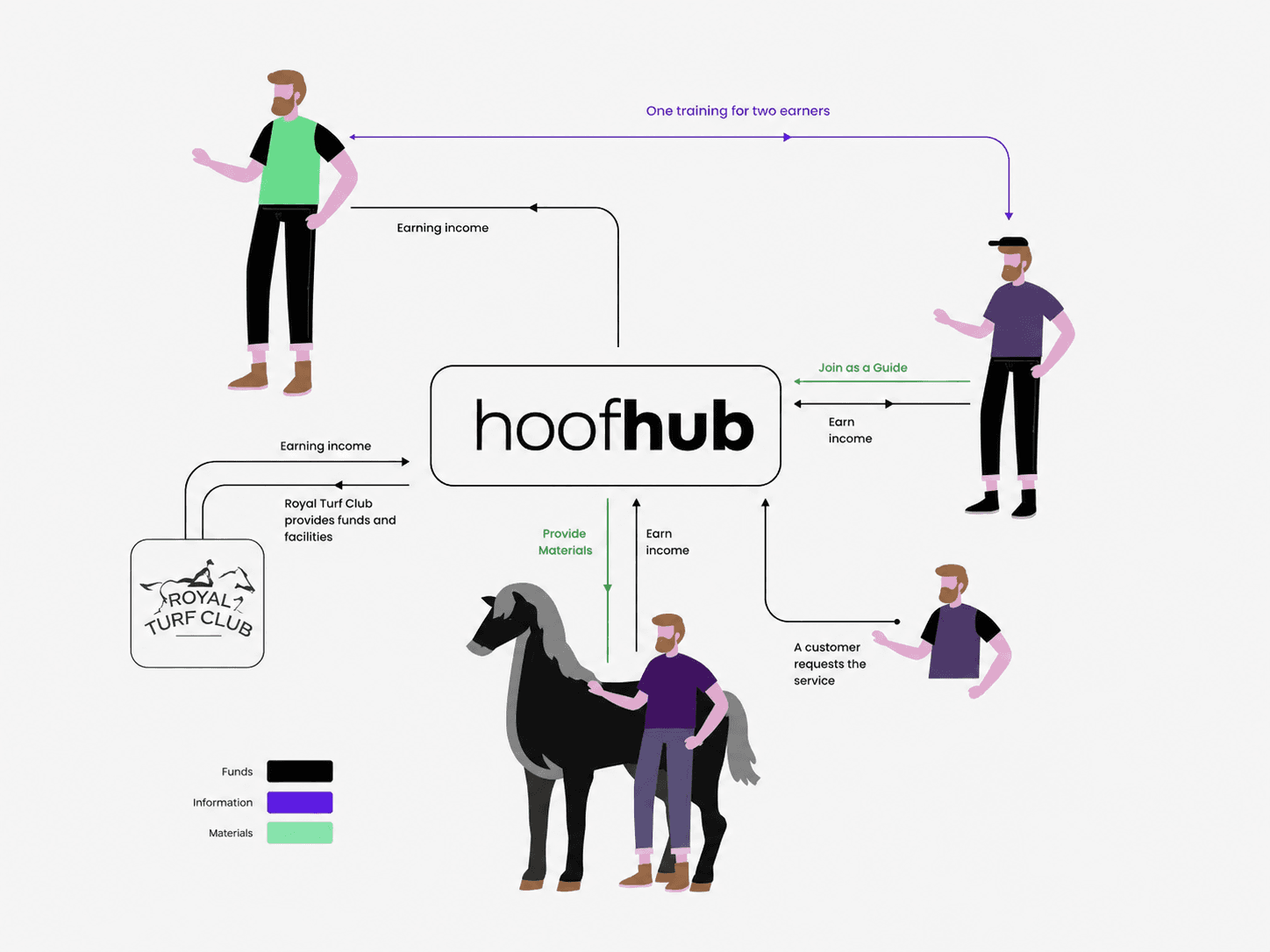
Money
Rider payment, Turf Club share, guide payout, horse-owner lease income, partner commission, HoofCoin redemption.
Information
Availability, skill, certification, horse condition, price, booking status, reviews and complaint evidence.
Service
Ride, training, horse rental, guide service, tourism package, support and quality assurance.
Trust
Turf Club governance, verification, digital records, ratings and transparent policies.
Value
Rider experience, guide career, owner income, partner engagement and tourism reputation.
A modular monolith, built to split.
One deployment and one operational database with strong business-module boundaries — suited to a small implementation team and an early partnership with one major service operator.
Identity and roles
Rider, guide, owner, staff accounts
users, roles, credentials
Training and certification
Courses, assessments, guide certification
training, certificates
Horse management
Horse profile, health, inspection, availability
horses, welfare records
Guide management
Skills, schedule, performance
guides, availability
Experience catalog
Segments, packages, routes, gear
packages, routes, assets
Booking and matching
Selection, availability, confirmation
bookings, matches
Payment and settlement
Payments, refunds, payouts, commissions
transactions, settlements
QR and ride verification
Check-in, start, completion
ride_verifications
Reviews and complaints
Ratings, evidence, resolution
reviews, complaints
HoofCoins
Earning, redemption and tipping
wallets, ledger
Partner management
Hotels, restaurants and referrals
partners, commissions
Administration and audit
Policy, reports, quality controls
audit, configuration
Ports & Adapters
Core domain rules depend on abstractions — PaymentPort, QRPort, NotificationPort, MapPort, IdentityVerificationPort, StoragePort — keeping booking and safety logic independent of vendor technology.
Communication
Synchronous where an immediate answer is required — availability, certification, payment authorization. Internal events drive notifications, performance updates, rewards and analytics.
Database Strategy
One PostgreSQL database divided into module-owned schemas. Cross-module reads use application interfaces rather than uncontrolled joins — a path to service-owned databases.
Patterns that map to real behaviour.
System deployment
Modular monolith
Low operational complexity and fast launch
Inside modules
Layered architecture
Clear presentation, application, domain and infrastructure concerns
Technology boundary
Hexagonal architecture
Replaceable external integrations
Async operations
Event-driven architecture
Loose coupling for notifications, rewards and analytics
Experience expansion
Microkernel / plug-in
New package and location extensions
Future scale
Selective microservices
Independent scaling and team ownership
Architectural Patterns in Play
SOLID in the Domain
Single Responsibility separates booking, payment, welfare, certification and complaint logic. Open/Closed allows new package or pricing strategies without rewriting workflows. Liskov Substitution requires all payment or notification providers to satisfy the same contract. Interface Segregation gives riders, guides, owners and partners only the operations they need. Dependency Inversion ensures high-level service rules depend on abstractions.
Design Patterns in the Implementation
Factory Method
Create card, wallet, HoofCoin or cash-assist payment handlers.
Abstract Factory
Create a compatible family of services for a Turf Club, hotel partner or adventure location.
Builder
Build a complex ride package with rider, guide, horse, route, gear, date, pricing and policy.
Adapter
Connect multiple payment, map and QR providers.
Bridge
Separate notification purpose from channel.
Composite
Represent country, region, location, route and checkpoint hierarchies.
Decorator
Add photography, cultural gear, insurance or premium support to a base package.
Facade
Expose one BookRide operation coordinating availability, matching, price, payment and verification.
Chain of Responsibility
Validate identity, skill, availability, welfare, pricing, payment and safety.
Command
Represent ConfirmBooking, CancelRide, StartRide, CompleteRide and SubmitComplaint.
Observer
Update notifications, analytics and HoofCoins after ride completion.
State
Control valid behaviour through booking and ride lifecycle states.
Strategy
Select rider-horse matching, pricing, reward or cancellation algorithms.
Template Method
Standardize guide onboarding while allowing different assessment types.
Trust is engineered, not decorated.
Trust Architecture
Verified identities and role-specific onboarding
Guide training, assessment and certification
Horse inspection, health and welfare records
Fixed package price and inclusion records
Digital payment and settlement traceability
QR-based booking and ride verification
Verified reviews linked to completed rides
Complaint evidence, status and resolution workflow
Audit logs for staff and critical changes
Safety Architecture
Rider skill declaration and suitability matching
Children and beginner supervision rules
Route and weather constraints
Equipment and gear checks
Horse workload and rest limits
Guide certification expiry and suspension
Emergency contact and incident escalation
Ability to cancel or substitute when safety changes
Quality Governance
Quality is managed through training, certification, service standards, performance data, review moderation, complaints, periodic reassessment and visible corrective actions. Ratings alone aren't sufficient — they can be biased or manipulated.
Animal Welfare
Treated as a first-class value axiom — controlling availability, ride duration, route suitability, rest, health records, equipment and incident reporting. Growth or reward mechanisms must never encourage overuse.
Verified. Safe. Transparent. Memorable.
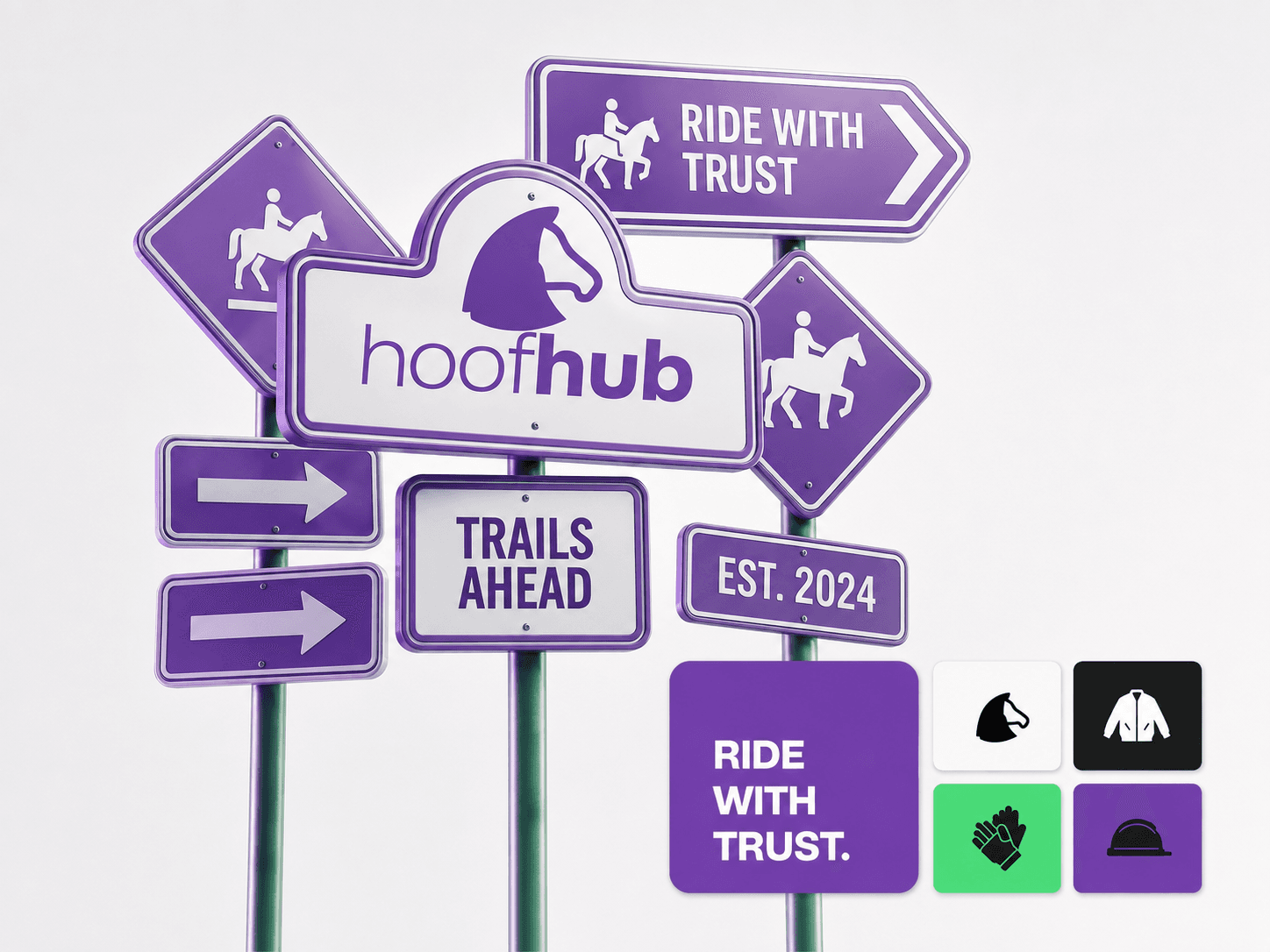
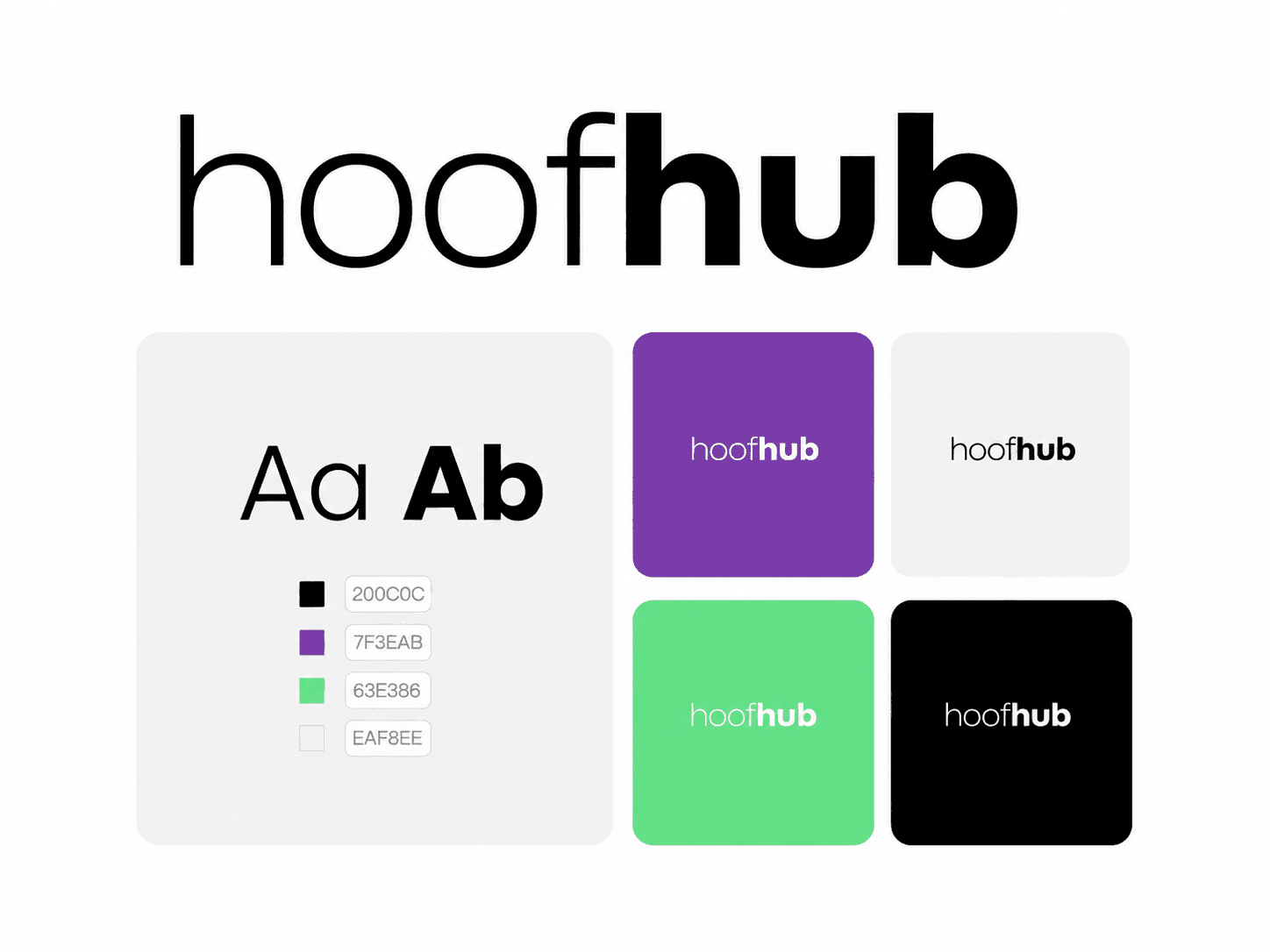
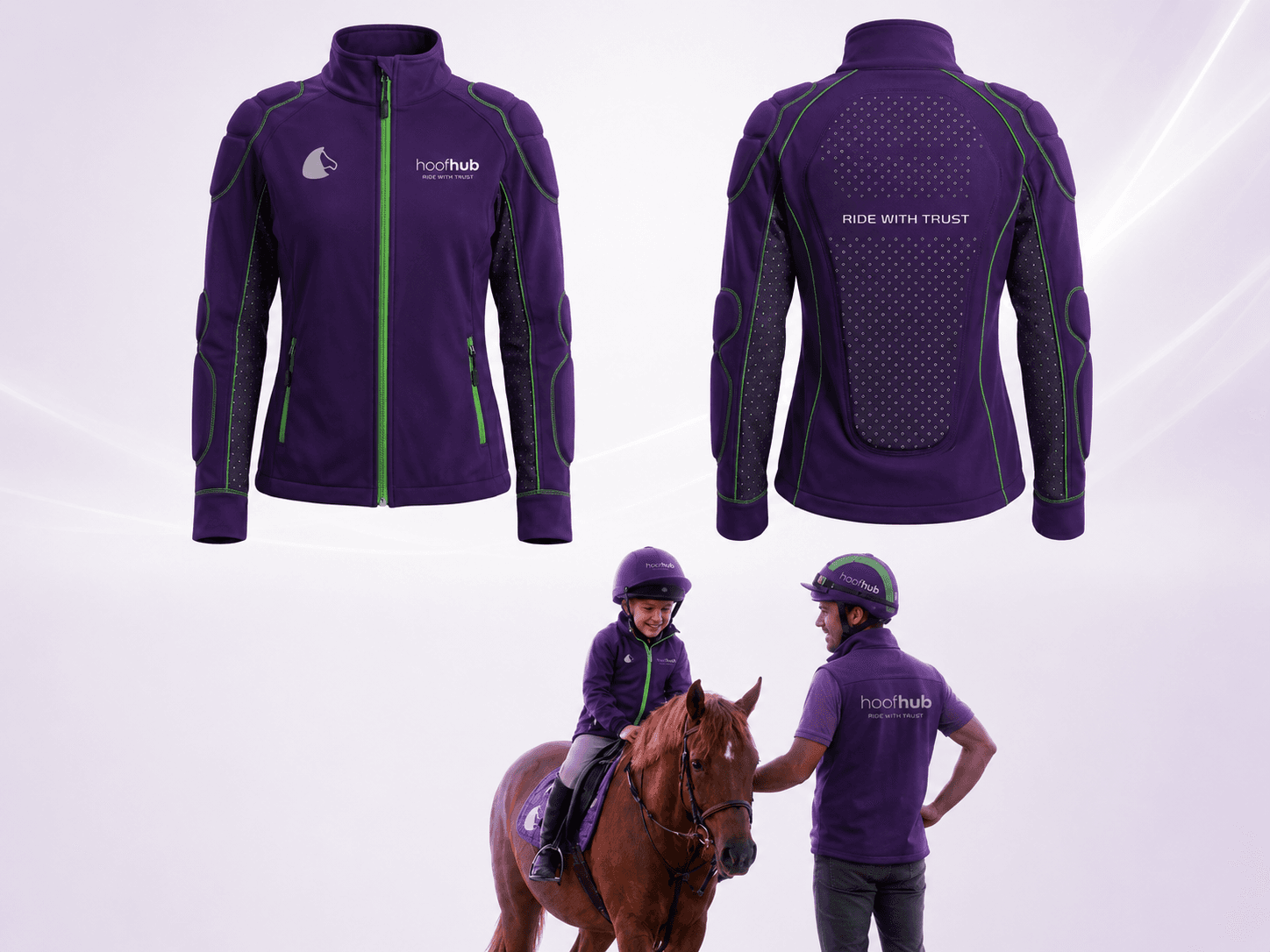
The brand is designed around the strongest market deprivation — lack of trust. The name HoofHub communicates equestrian focus and ecosystem centrality. The slogan “Ride with Trust” transforms the deprivation into a memorable value promise.
Experience Segments
Couples
Memorable and symbolic experience. Photography, cultural styling, honeymoon and pre-wedding packages.
Children / families
Safety and parental reassurance. Certified guides, protective gear and child-friendly routes.
Beginners
Learning and confidence. Training sessions, calm horses and instructor-led packages.
Groups
Coordination and shared enjoyment. Group booking, route planning and package pricing.
Adventure riders
Challenge and novelty. Skill verification, advanced horses and controlled adventure routes.
Rural / long-distance explorers
Continuity across distance. HoofStore horse exchange and route network.
Tourism partners
Reliable referral product. Partner portal, commissions and brand assurance.
Brand Touchpoints
Mobile and web applications
Guide uniforms and protective gear
Rider capes, helmets and experience accessories
Physical signs near riding areas and tourist locations
Hotel and restaurant partner websites
QR confirmations and payment receipts
Training certificates and guide profiles
Social media, campaigns and experience photography
Brand coherence fails if a rider sees polished visuals but experiences hidden fees or unsafe delivery. Identity, service rules, training, platform records and staff behaviour must remain vertically coherent.
Seven product lines, one ecosystem.
Pricing Principles
Display total package price and inclusions before confirmation
Separate optional add-ons clearly
Record tips separately from required charges
Show cancellation, refund and weather policies
Use segment and service complexity to justify different packages
Avoid dynamic pricing that recreates distrust without explanation
Revenue Streams
Ride booking
Commission or service fee
Horse leasing
Owner share or contracted lease
Guide service
Salary, contracted payout or per-ride share
Partner referral
Hotel / restaurant commission
Training and certification
Course or institutional funding
Premium experiences
Photography, cultural attire, adventure and group packages
HoofStore
Route or horse-exchange fee
HoofCoins
Loyalty liability and partner redemption ecosystem
Product Line
HoofHub Ride
Core booking, matching, payment and ride verification
HoofHub Learn
Beginner training and guide certification
HoofHub Experience
Couple, kids, group, cultural and adventure packages
HoofStore
Long-distance horse exchange and route continuity
HoofCoins
Loyalty, redemption and guide tipping
HoofHub Partner
Hotel, restaurant and tour-operator referrals
HoofHub Operations
Turf Club management, quality and analytics
A trust-orchestration mechanism.
HoofHub can be abstracted as a trust-orchestration mechanism for fragmented experience markets — combining verified providers, standardized packages, suitability matching, transparent payment, service verification, feedback and governance.
Materialization Fluidity
Innovation through Recombination
Certification + matching + QR verification can create a safety-assured guide marketplace.
HoofCoins + partner network can create a broader tourism loyalty ecosystem.
Horse availability + route network + HoofStore can create long-distance equestrian travel services.
From assumption to evidence.
Assumptions & Hypotheses
Price inconsistency is a major trust barrier
Prototype comparison and interviews
Guide certification matters to riders
Choice experiment
Skill matching reduces safety risk
Pilot incident and reassignment data
QR verification improves accountability
Controlled pilot
Partner channels increase reach
Partner pilot
HoofCoins improve loyalty
A/B or cohort analysis
Guide training improves service quality
Longitudinal performance study
Metric Categories
Validation Sequence
Reanalyse customer reviews and classify deprivation
Interview riders, guides, horse owners and Turf Club staff
Prototype transparent packages and booking sequence
Run a closed Turf Club pilot with selected horses and guides
Measure safety, trust, disputes, guide income and completion
Test partner distribution with one hotel or restaurant
Expand segments and reward features only after trust metrics improve
MVP Scope
Rider, guide and admin roles
Verified horse and guide profiles
Experience catalog and segment packages
Availability and booking
Fixed pricing and digital payment
QR confirmation and ride completion
Reviews, complaints and basic reporting
Guide training and certification records
Deployment Baseline
Responsive web or mobile clients, one containerized backend, PostgreSQL, object storage, a cache, payment and notification adapters, monitoring, backups, encrypted secrets and staged CI/CD.
Microservices Evolution
Services extracted only when independent scale, reliability, team ownership or compliance demands it — payments, notifications, media, analytics and partner integration first.
Professional Reflection
Trust isn't created by branding alone.
HoofHub strengthened my ability to move from negative reviews and operational symptoms toward a complete consumer solution — the rider's psychological deprivation, the guide's economic and professional deprivation, the owner's asset-utilization needs, and the Turf Club's governance responsibility. Trust must be produced by transparent prices, certified guides, appropriate horses, verifiable bookings, fair payments, complaint handling and consistent physical touchpoints. The software architecture became an instrument for materializing service values.
HoofHub was designed not as another booking application, but as a governed tourism ecosystem — transforming fragmentation into coordination, information asymmetry into transparency, informal service into professional opportunity, and uncertainty into a trusted riding experience.
Scenario
Fragmented horse-riding tourism with weak trust, visibility, safety and accountability.
Market Gravity Point
A rider wants a memorable ride but cannot trust the promised service outcome.
Apex Value
Trusted, Safe and Memorable Equestrian Tourism.
Core journey
Discover → configure → match → pay → verify → ride → review.
Architecture
Modular monolith + layered modules + ports/adapters + events + module-owned schemas.
Brand
Ride with Trust.